The Quiet “Mind Drought” Behind So Many Foggy Mornings After 60: First the Misplaced Words. Then the Rereading. Then the Avoided Conversations.
He was told it was “just age.” Instead, this 79-year-old found a simple morning routine most people never hear about — and went from rereading the same page three times to finishing it in one.

For millions over 60, mornings start with rereading the same paragraph. It doesn’t have to be.
Robert had started measuring his mornings in paragraphs.
Not because he loved reading. Because he had to read every paragraph three times before any of it stuck.
Names were slipping too. Neighbors he’d known for twenty years greeted him at the mailbox, and he’d smile and wave while their names floated somewhere just out of reach.
Mid-sentence was the worst. Halfway through a story at Sunday dinner, the thread would simply go quiet. His wife learned to finish his sentences. He pretended not to notice.
By 77, he’d quietly started declining the things he loved. The weekly card game — too easy to lose track of the trump. Long phone calls with his brother — too easy to lose the point halfway through.
His doctor wasn’t worried. “This is normal at your age,” he said. And technically, he was right. Nothing was wrong with Robert. Nothing you could put on a chart.
He’d tried the crossword books. The puzzle apps. The expensive fish oil from the pharmacy with the label that promised the world.
Nothing changed. The fog rolled back in every afternoon like clockwork.
He’d pretty much accepted this was how the rest of his life would go.
He was wrong.
Today — at 79 — Robert reads the whole paper over one coffee.
He holds his own at the card game again. He calls his brother every Sunday and talks for an hour.
What changed wasn’t a prescription, wasn’t a procedure, and wasn’t some miracle exercise.
It was something he found at 2 a.m. on a forum — a single comment from a stranger that led him to a morning routine most people never hear about.
The Comment That Stopped Him Cold
In Robert’s own words:
“I was up late, just looking around online for anything I hadn’t tried yet. I ended up on some forum where folks were talking about the same fog I was dealing with. And somebody wrote something that stopped me cold.”
“They said the problem probably wasn’t age. They said their brain was simply running out of fuel by mid-morning — and nobody had ever told them the brain doesn’t store its own.”
“I’d never heard anyone put it that way. Not my doctor. Nobody.”
“I sat there reading that comment over again. And then I started digging.”
Why Robert’s Doctor Never Mentioned It
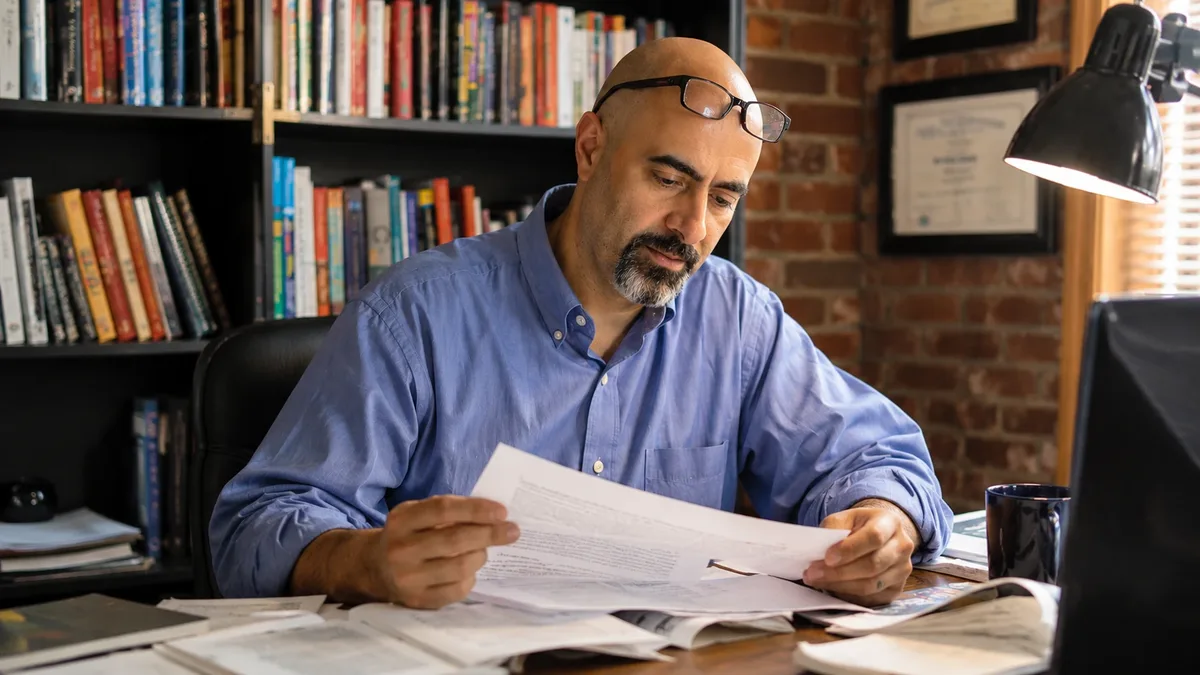
Nutrition researchers have spent decades studying how the aging brain eats.
What Robert had stumbled onto sounded almost too simple at first. But it wasn’t fringe science.
It sits on top of decades of mainstream nutrition research — work from universities like Tufts and UCLA on how the aging brain eats, and why so many mornings go wrong long before anything is actually “wrong” with us.
Doctors are trained to treat disease. What Robert had wasn’t a disease. It was a fuel problem — and fuel problems don’t show up on a chart.
Some researchers who study cognitive aging have a name for the pattern: the mind drought. Not a diagnosis — a description. The brain, quite literally, running low on what it burns all day.
What Decades of Nutrition Research Found
Here’s the part most of us never learn.
Your brain is about two percent of your body weight — and it burns roughly twenty percent of everything you eat. It is the single most demanding organ you own.
And it has a quirk: unlike your muscles, it can’t store fuel. It needs a steady supply, hour after hour, from breakfast to bedtime.
Now think about what happens after 60. Dinner ends at seven. Breakfast is coffee and toast at eight — or nothing at all. That’s thirteen hours with no fuel coming in, followed by a morning of heavy lifting: names, faces, plans, conversations.
Research on diet and cognitive aging — including long-running cohort studies and a randomized clinical trial published in JAMA Internal Medicine (2015) — keeps pointing to the same broad pattern: long-term eating habits are strongly associated with how well the mind holds up over time.
The overnight gap is where so many foggy mornings begin. The brain wakes up already behind, and by mid-morning the fog is rolling in.
And there’s a second, quieter problem. Even when we do eat well, aging bodies absorb nutrients less efficiently. The building blocks the brain uses to maintain its own cells arrive slower and in smaller supply.
Fuel and building blocks. Two things the brain asks for every single day — and two things age quietly takes off the table.
The Overlooked Morning Pairing That Helps Refuel Aging Brains

In Japan and across the Mediterranean, honey is rarely eaten by itself — it is usually paired with something warm. Photo illustration.
The first idea didn’t come from a lab-made molecule or an exotic berry.
It came from one of the oldest foods in the world: raw honey — and the way it’s actually eaten in places famous for sharp minds in old age.
In Japan and across the Mediterranean, honey is rarely eaten alone. It’s stirred into something warm — tea, warm water, warm milk — and taken slowly, usually in the morning.
Nutrition researchers have pointed out why that pairing makes sense for the brain. Your brain runs on glucose, and raw honey delivers it alongside trace enzymes and polyphenols that refined sugar doesn’t have. Warm pairing slows the rush, so instead of a spike and a crash, the brain gets a steadier stream of its basic fuel through the morning.
It’s a small thing. But small, repeatable things are exactly what long-term brain health is made of.
There’s just one problem: a spoon of honey alone doesn’t address the second half of the mind drought — the building blocks.
Two of the Most Studied Natural Compounds for Memory Support
This is where the story gets practical.
Over the last two decades, two natural ingredients have been studied again and again for their role in supporting memory and mental performance in older adults — not as medicine, but as daily nutritional support.
The first is Bacopa monnieri, an herb used in Ayurvedic tradition for centuries. In a randomized, double-blind, placebo-controlled trial published in Psychopharmacology (2001), healthy adults taking a standardized Bacopa extract for 12 weeks showed improved performance on memory and learning tasks compared to placebo. A later trial in the Journal of Alternative and Complementary Medicine (2010), focused on older adults, reported similar findings for memory acquisition and retention.
The second is Lion’s Mane, a mushroom long used in Japanese kitchens. In a small Japanese trial published in Phytotherapy Research (2009), older adults concerned about their memory who took Lion’s Mane for 16 weeks scored significantly better on a standard cognitive function scale than the placebo group — and the researchers noted the scores drifted back after they stopped.
Neither study claims a cure for anything. That’s not how nutrition works. What they suggest is simpler: the brain responds to consistent, daily nutritional support — especially as it gets older.
The Formula That Puts the Whole Morning Routine in One Capsule

That combination — the steady-fuel honey pairing, plus studied doses of Bacopa and Lion’s Mane — is what a small wellness team set out to put into a single daily habit.
The result is MemoHoney: one capsule a day, built around concentrated honey compounds, standardized Bacopa monnieri, and Lion’s Mane extract, at the doses used in published research.
No stimulants. No caffeine spike. Just the morning routine, made simple enough to actually repeat.
→ See how MemoHoney’s formula supports memory, focus and mental clarityWhat the Research Suggests
Based on published, peer-reviewed human studies- Steady morning fuel — Raw honey paired with something warm provides the brain’s basic fuel in a steadier stream than refined sugar or coffee alone.
- Bacopa monnieri — Improved performance on memory and learning tasks after 12 weeks in two randomized, placebo-controlled trials.
- Lion’s Mane — Better cognitive function scores than placebo over 16 weeks in a small Japanese trial with older adults.
- Long-term diet patterns — Mediterranean-style eating is associated with healthier cognitive aging in large cohort studies and in a randomized clinical trial.
These statements have not been evaluated by the Food and Drug Administration. This product is not intended to diagnose, treat, cure or prevent any disease. Individual results vary.
Robert’s First Morning That Felt Like His Own

Robert, 79. “I just feel like myself at breakfast again.”
Robert decided to try it. He figured this was either the answer or one more thing to cross off the list.
He almost didn’t notice at first. It wasn’t dramatic.
One morning he realized he’d read the whole front section without going back once. A few weeks later, he caught himself mid-story at Sunday dinner — all the way to the punchline, without losing the thread.
“Do I feel twenty years younger? No. But I feel like myself at breakfast again. Names come easier. The fog lifts. That’s enough for me.”
That was over a year ago. He still takes it every morning, the way you’d never skip coffee.
→ See how MemoHoney supports memory, focus and mental clarityWhy Nothing Else Had Worked
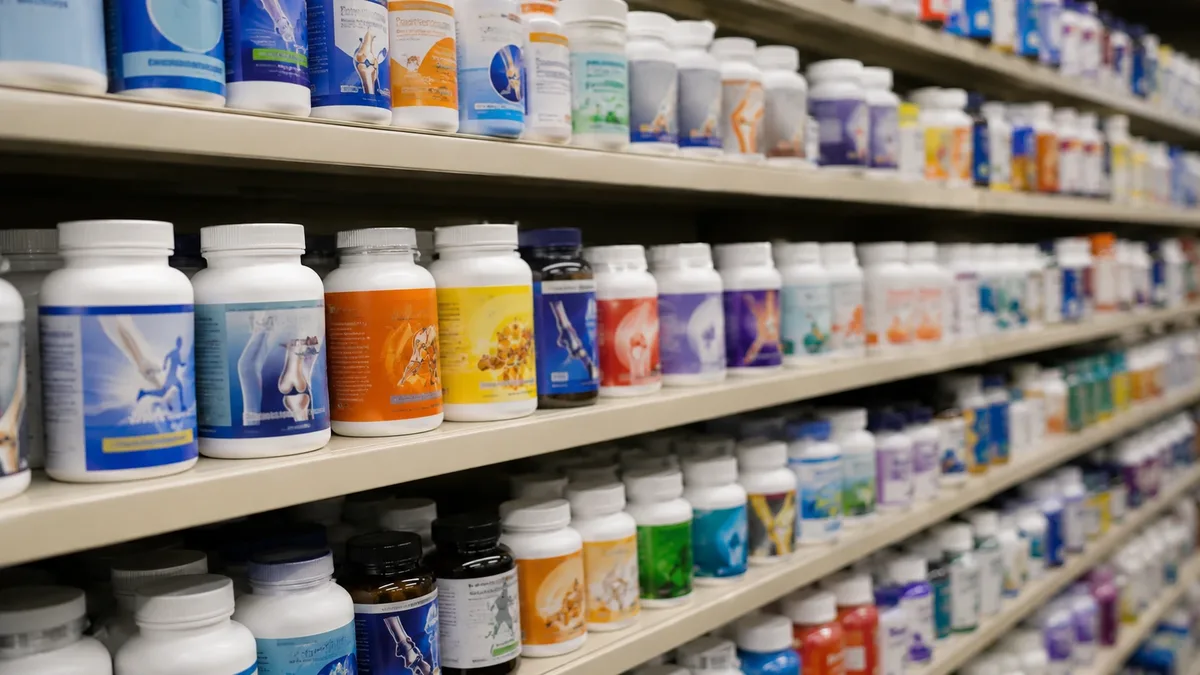
Years of trying everything on the pharmacy shelf — with nothing to show for it.
Because Robert isn’t the only one who spent years trying everything on the pharmacy shelf.
Coffee sharpens you for an hour — then drops you lower than before. It’s borrowed fuel, not a supply.
Puzzle apps are fun, and they do exercise specific skills. But researchers compare them to doing bicep curls for your whole body — the gains stay narrow.
Sleep matters enormously, and most of us could use more of it. But sleep doesn’t deliver the morning fuel or the building blocks.
And most “brain pills” on the shelf rely on a sprinkle of this and a dash of that — trendy ingredients at doses far below anything studied.
Each of these touches one piece of the puzzle at best. None of them covers both halves of the mind drought — the fuel and the building blocks — at once.
→ Check MemoHoney availability in your areaWhat Other Readers Report

Readers in their 60s, 70s and 80s have made the routine part of their mornings.
Thousands of readers have now tried the same morning routine.
Margaret from Ohio wrote that she “stopped losing her place in the church reading group.” Dennis from Arizona says he “finally finished a book after three years of starting the same one.” A retired teacher from Vermont told us she feels “present at the grandkids’ table again, not just smiling politely.”
These are individual experiences, shared with permission — not promises. Every person is different, and the only way to know how your body responds is to try it yourself.
What does come up again and again is how small the habit is. One capsule with a warm drink, every morning. No schedule. No program. Nothing to keep up with.
What Most People Spend Before They Find What Works
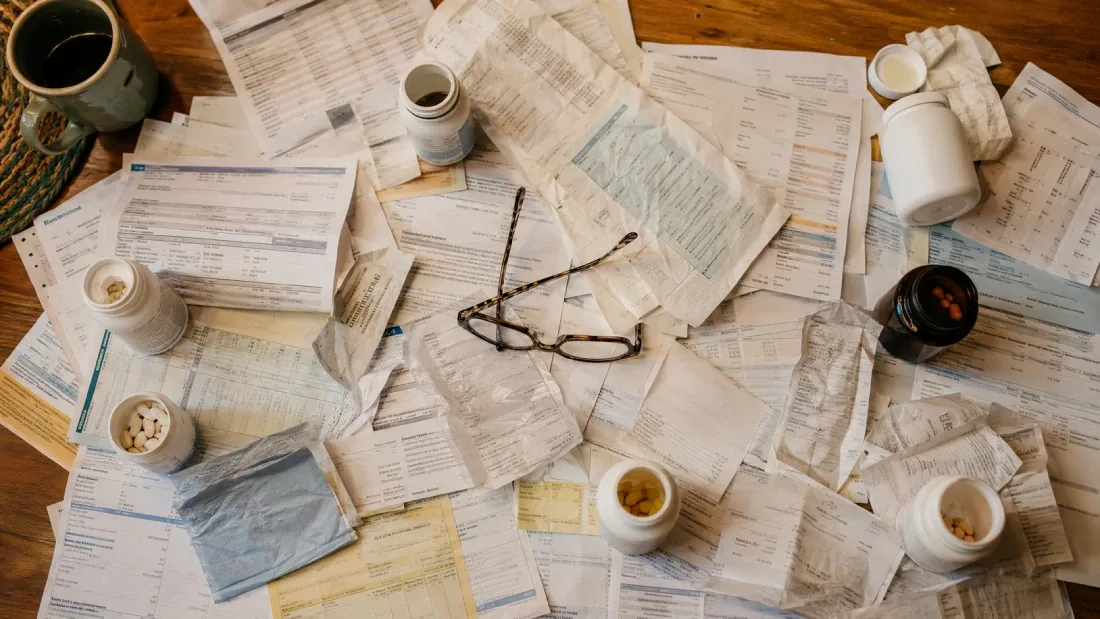
Most people spend $500 to $1,000 a year circling the edges of the problem.
If you’re like most people, you’ve already spent more than you’d like to admit on things that didn’t deliver.
The premium fish oils — $30 to $50 a month. The puzzle app subscriptions — $15 a month, forever. The “brain formulas” with pretty labels and fairy-dust doses — $60 a bottle.
Add a year of that up, and it’s easily $500 to $1,000 spent circling the edges of the problem.
MemoHoney costs roughly a dollar a day — less than the coffee it’s meant to sit next to.
Not because the ingredients are cheap. Standardized Bacopa and real Lion’s Mane extract aren’t. But the company sells direct, with no pharmacy markups and no middlemen — just the formula, shipped to your door.
What to Expect, Week by Week
Every person is different. But based on customer reports, a common pattern looks like this:
Most people notice nothing yet. The ingredients are building up. That’s normal.
The most common report: mornings feel a little clearer. Reading takes fewer passes. Names arrive a little faster.
This is where the routine shows its value. Not fireworks — just a morning that feels like yours again, most days, more often.
The people who report the best experiences are the ones who treat it like brushing their teeth: small, daily, and boring. Consistency beats intensity.
One honest note: the mind drought doesn’t hold still. Every month of running on empty is another month of fog to work back through. The earlier you start, the more you have to work with.
Where to Get the Formula
MemoHoney is available directly from the maker’s page — no prescription, no subscription traps, no auto-ship surprises. One capsule a day, at the studied doses.
Every order is covered by a 60-day money-back guarantee. If you don’t feel a meaningful difference in your mornings — clearer reading, easier names, steadier conversations — you get a full refund. No questions asked.
→ See if MemoHoney is still available in your area → Check availability and today’s pricing60-Day Money-Back Guarantee · Free US Shipping · One-Time Purchase · No Autoship
The First Day
The most common thing readers describe isn’t a score or a statistic. It’s a moment.
The first morning they got to the bottom of an article and realized they hadn’t thought about their memory once. No rereading. No counting paragraphs. Just reading, the way it used to be.
“I finished the crossword on a Tuesday. I hadn’t finished one in five years.”
— Stanley, 81, Florida
“Two weeks in, my wife asked what changed. I was finishing my own sentences again.”
— T. Griffin, verified customer
Individual experiences, not typical results. Yours may differ.
You Have Two Options
Option 1: Close this page and continue doing what you’ve been doing. Keep blaming age. Keep rereading the same paragraph. Keep quietly stepping back from the conversations you used to love.
Option 2: Try the simple morning routine built around what nutrition research has suggested for years — steady fuel for the brain, plus two of the most studied natural compounds for memory support.
Thousands of readers have already made this choice. Many of them tried everything else first.
And if it doesn’t work for you, the 60-day guarantee means you risk nothing but a few mornings.
→ See the MemoHoney formula and today’s offer → Check availability and today’s pricing60-Day Money-Back Guarantee · Free US Shipping · One-Time Purchase · No Autoship
References
- Gómez-Pinilla F. “Brain foods: the effects of nutrients on brain function.” Nature Reviews Neuroscience 9 (2008): 568–578.
- Valls-Pedret C, Sala-Vila A, Serra-Mir M, et al. “Mediterranean diet and age-related cognitive decline: a randomized clinical trial.” JAMA Internal Medicine 175, no. 7 (2015): 1094–1103.
- Stough C, Lloyd J, Clarke J, et al. “The chronic effects of an extract of Bacopa monniera (Brahmi) on cognitive function in healthy human subjects.” Psychopharmacology 156, no. 4 (2001): 481–487.
- Morgan A, Stevens J. “Does Bacopa monnieri improve memory performance in older persons? Results of a randomized, placebo-controlled, double-blind trial.” Journal of Alternative and Complementary Medicine 16, no. 7 (2010): 753–759.
- Mori K, Inatomi S, Ouchi K, Azumi Y, Tuchida T. “Improving effects of the mushroom Yamabushitake (Hericium erinaceus) on mild cognitive impairment.” Phytotherapy Research 23, no. 3 (2009): 367–372.